Kri-Kri: The Wild Heart of Crete
In Crete, there is one animal we identify with more than any other — a symbol of freedom, fearlessness, and resistance. Scientifically known as Capra aegagrus cretica, the Kri-Kri is a wild goat endemic to our island and beloved across the globe.
We call it agrimi (αγρίμι) — a wild beast — and sometimes fouriariko (φουριάρικο), a furious, untamed spirit that thrives where others wouldn’t dare tread.

A Living Symbol of Strength
With its striking crescent-shaped horns and powerful stance, the Kri-Kri stands like the king of its cliffs, surveying its rugged kingdom. A black stripe marks its face and chest, framed by a dusty brown coat that blends effortlessly into the rocky Cretan landscape.
Though once domesticated, it has lived wild on Crete for over 8,000 years. Its resilience earned it a place on ancient Minoan ceramics, murals, and jewelry — admired for its agility and strength.

Fearless and Free
The Kri-Kri’s hooves are unlike those of common goats. They resemble a horse’s hoof, allowing it to leap across dizzying cliffs — sometimes up to 8 meters in a single bound.
Males are larger and typically solitary, while females (σαμάδες) lead small herds, nurturing one or two kids after a 170-day gestation. The herd is matriarchal, led by the strongest female.
Kri-Kri feed on shrubs and native tree leaves, always alert, always distant — embodying the wild soul of Crete itself.

From Endangered to Protected
Once hunted for their meat and horns — the latter used for Cretan knife handles — the Kri-Kri were nearly wiped out. Now, they are a protected species, and hunting or consuming them is illegal.
Major populations exist in:
- Samaria Gorge
- Thodorou Islet (Chania)
- Agii Pandes Islet (Agios Nikolaos)
- Other remote mountain ranges across Crete

A Name with a Legend
Where does “Kri-Kri” come from? One tale claims a Cretan farmer gifted a goat to U.S. President Harry Truman in the 1950s. Truman supposedly dubbed it the “Cretan Creature” (Cre-Cre), which over time became “Kri-Kri.”
Another legend says the Kri-Kri will leap to its death rather than be captured — sometimes dragging the hunter along. This dramatic act of defiance has made it a mythic figure in Cretan lore.

What the Kri-Kri Represents
To spot a Kri-Kri in the wild is rare and sacred. It’s not just an animal. It’s a living emblem of Crete’s resilience, dignity, and independence.
Whether you’re trekking in Samaria or sailing past Thodorou, remember: you are in the presence of history, myth, and the untamed heart of an island that never surrenders.
Note: Hunting or consuming Kri-Kri is strictly prohibited. Please respect its protected status and help preserve it for future generations.
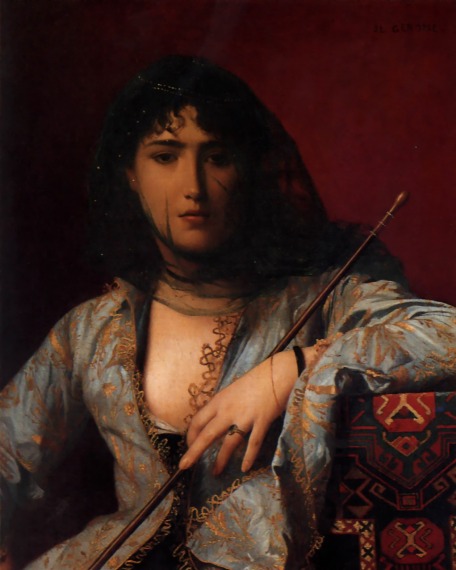
Allow me tell you a story of a girl named Aynur (which means Moon shinning).
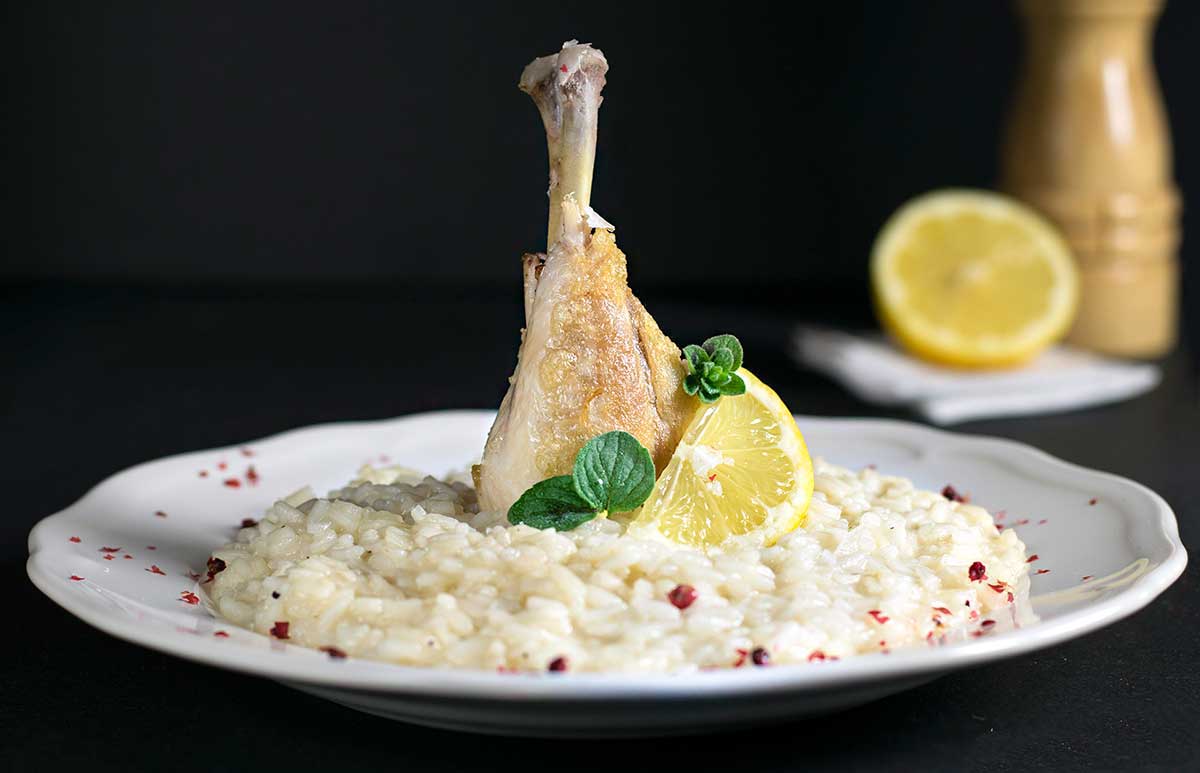
When it comes to food that carries both cultural weight and culinary beauty…
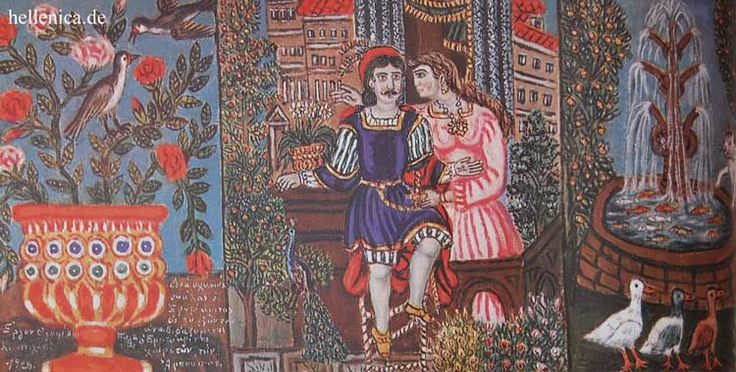
Vincenzo Cornaros’ timeless epic still echoes through the verses, voices, and hearts of Crete.